Before Birthday Cards, People Marked the Day with Visits, Meals and Spoken Wishes
Before birthday cards, visits, shared meals and spoken wishes marked the day; explore these distinct gestures and how to describe them without claiming a universal history.
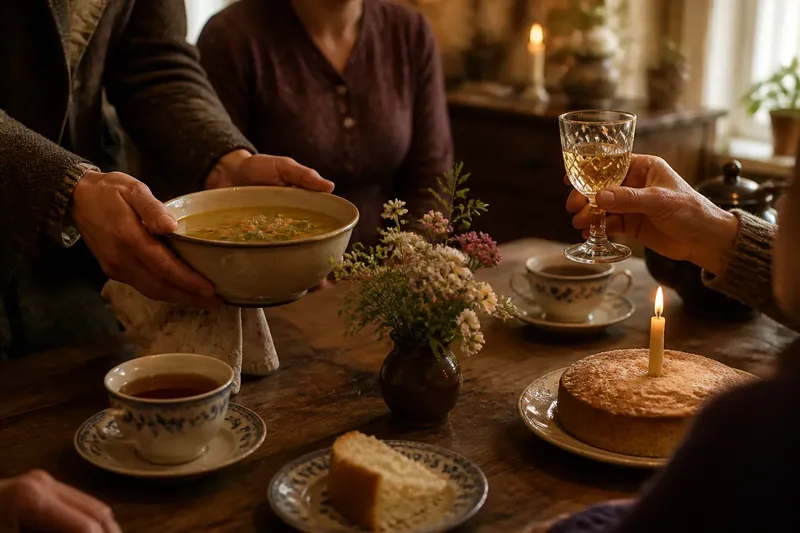
A neighbour knocks with a bowl of soup, a relative arrives for tea, and someone at the table raises a glass. Before birthday cards, people could mark a birthday through gestures like these, though customs varied by household, place and period. The main search phrase, before birthday cards, points to a range of ways to acknowledge the day rather than one universal tradition.
What can we say about birthdays before cards?
There was no single worldwide practice that every family followed. A birthday might be marked privately, with a meal or visit, or not observed at all; the available choices depended on local customs, resources and the people involved.
It is safer to describe distinct forms of greeting than to claim that one replaced another everywhere. A spoken wish, a visit, food shared at home and a handwritten note are different gestures, not a fixed sequence that every community experienced.
How did a visit mark the day?
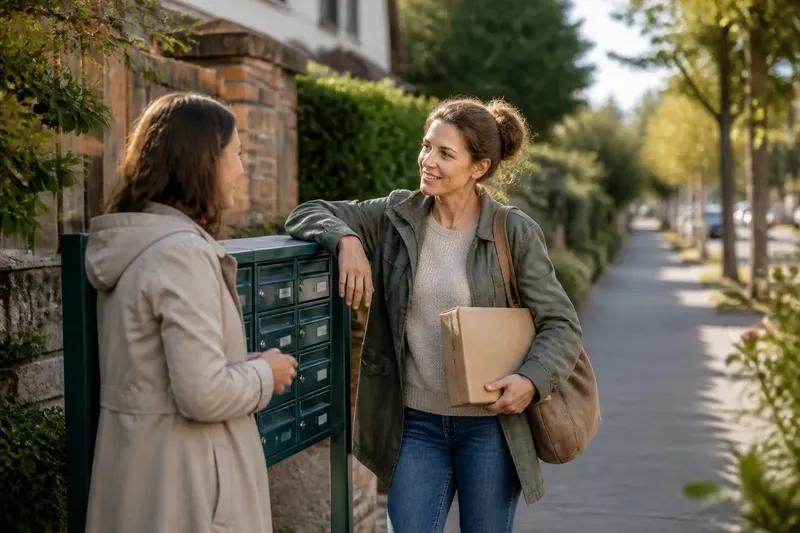
When people lived nearby, someone could call at the birthday person’s home and offer a greeting face to face. The visit itself made the occasion visible: a guest had made time to stop by.
The exchange might end at the doorstep or stretch into tea and conversation. The form depended on the household and its wishes, so a visit should not be treated as proof of a particular, universal birthday custom.
What could a shared meal add?
A meal brought people together around a table. Family or friends might serve familiar food, share a toast or simply spend time with the person whose birthday it was.
Food could also be a practical contribution: a guest might bring a dish or help prepare the meal. These are ordinary ways people can make an occasion communal, not claims that every birthday involved a feast or a particular menu.
How were wishes passed on by word of mouth?
A person who could not visit might ask a mutual acquaintance or relative to pass along a birthday wish. This depended on someone carrying the message, so it could be delayed, shortened or missed.
That form of greeting was distinct from a visit: the recipient heard the words, but the sender was not necessarily there. It also differed from a written note, which could travel without relying on the carrier to remember the exact wording.
What role could a handwritten note play?
A letter or brief note made a greeting portable. Someone could write a few lines, address them to a relative or friend, and send the message by a messenger or postal service where available.
Unlike a spoken wish, a note could be reread. It was not necessarily a birthday card: it could be part of an ordinary letter, or a short message written specifically for the occasion. Avoid assuming that everyone had the same access to writing or post.
How can you describe these practices accurately?
Keep the account local and specific when you have reliable information about a particular community or family. If you do not, describe the gesture as a possibility rather than presenting it as a documented custom shared by everyone.
- Visit: If you can identify a particular household or account, describe who visited and what they did; if not, present a visit as one possible way to mark a birthday.
- Shared meal: If your source names a meal or setting, include those details; if it does not, say only that people could gather over food.
- Spoken wish: If the account identifies who delivered the words, name that role; if it does not, avoid inventing a messenger or exact wording.
- Handwritten note: If you know whether the greeting was a letter or a separate note, use that term; if you do not, call it a written greeting rather than a card.
- Carried message: If the route or carrier is documented, explain it; if not, describe the possibility without claiming how often messages travelled that way.
- Family routine: If an account names a recurring practice, say whose routine it was; if it does not, avoid presenting one family’s habit as a general tradition.
Say you are writing a short account about a family gathering and have no source establishing a wider local custom. You know only that relatives met at the family home and shared food. Describe that gathering as one family’s way of marking a birthday; do not say that the whole community held birthday meals or that meals historically preceded cards. The result is a useful, concrete account whose scope matches what you actually know.
What questions help distinguish the different gestures?
Was a visit the same as a birthday party?
No. A visit could be a brief call, while a party implies a planned gathering; use “visit” unless the details support the stronger description.
Did every birthday include a shared meal?
No universal claim is justified. Describe a meal only for a specific household or account, or present it as one possible way people might gather.
Was every written birthday greeting a card?
No. A birthday wish could be included in a letter or written as a short note, so reserve “card” for an actual card.
Can one family’s custom represent a whole community?
Not without evidence that supports that broader claim. Name the family or setting you can substantiate, and keep the description within that scope.
How should you distinguish the practices from birthday cards?
A visit, meal, spoken wish and handwritten note each involved a different kind of contact: being present, sharing food, passing words aloud or sending words on paper. These options could coexist; there is no need to frame them as stages in a universal history leading to the birthday card.
When describing life before birthday cards, keep the focus on the gesture and the limits of what is known. A carefully scoped account can show how people marked a day without turning a few plausible practices into a single, unsupported history.