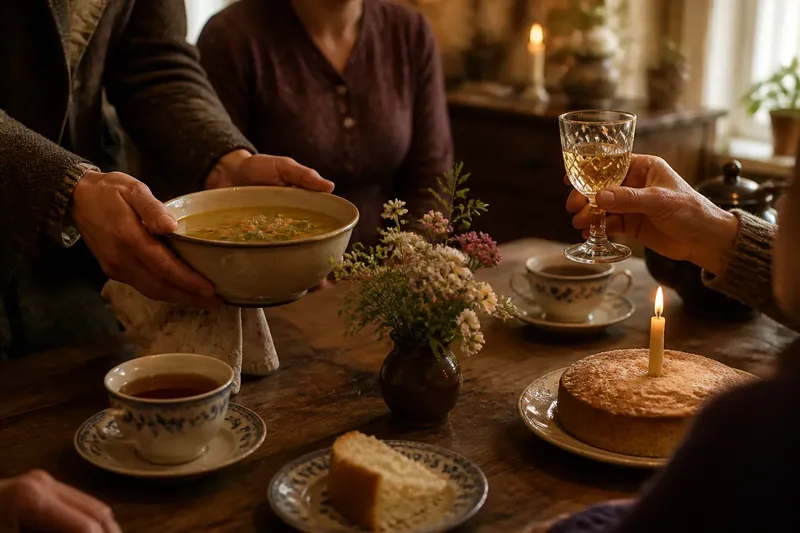
A Walk Together or a Table for Two?
Choose a shared walk or a seated catch-up by matching the setting to your energy, conversation and available time, then make the invitation easy to accept.
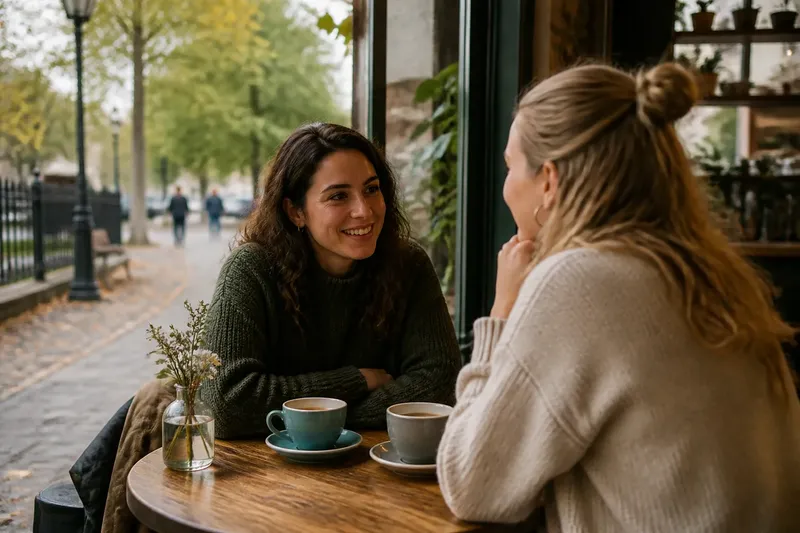
You have half an hour free and want to see a friend, but neither of you has settled on a plan. A walk together or a table for two can both make space for a good catch-up; the better choice depends on the sort of time you want to share.
Start with the purpose of meeting, then consider energy, weather, access and how much conversation feels comfortable. A little thought before sending the invitation can make the plan easier to accept and the time together easier to enjoy.
What sort of catch-up do you want?
Decide whether you are hoping for an easy chat, a focused conversation or simply a pleasant stretch of company. You do not need a grand reason to meet, but a rough sense of the mood helps you choose a setting that will support it.
A walk often suits conversation that can unfold in fits and starts. The changing view gives you something to notice together, and a pause to look at a shop window, a tree or a dog does not have to feel like a gap that needs filling.
A table can be a better fit when you want to settle in, hear each other clearly or give a subject your full attention. It also creates a natural place to rest, have a drink and stay in one spot rather than keeping pace with the route.
How do movement and setting change the mood?
Walking side by side can make eye contact less constant, which some people find more relaxed. The rhythm of moving may also help a conversation keep going, but it can be distracting if one person is tired, uncomfortable on their feet or concentrating on the route.
At a café or kitchen table, you can read facial expressions more easily and talk without traffic, crossings or changing scenery competing for attention. On the other hand, close seating and a busy room may feel intense if you would rather have a quieter, less direct chat.
Think about the surroundings, not just the activity. A busy pavement is a poor match for a conversation that needs privacy; a noisy café may make a relaxed catch-up feel like work. Choose a familiar, comfortable place where you can hear each other and leave without awkwardness.
Which option fits your energy and access needs?
Before suggesting a walk, consider the route’s surface, hills, crossings, benches and toilets. A short, level loop near a park entrance may be comfortable for one person, while another may prefer to avoid walking altogether. A seated plan should also account for practicalities such as step-free access, comfortable seating and room to move around.
Weather matters, too. A walk can be refreshing in mild conditions, but rain, strong wind or cold may make it unpleasant. A café gives you shelter, though it may be crowded or require a booking. Keep the choice flexible rather than treating either plan as the only acceptable one.
Say you and a friend both have a spare hour, but your friend has mentioned feeling worn out after a busy week. You suggest a quiet café near a familiar bus stop and offer a short visit. Your friend can accept a plan with little effort, or choose a flat route with somewhere to sit if moving feels better; the trade-off is shelter and a settled seat versus fresh air and a change of scene.
How can you invite someone without making it a production?
Offer one clear suggestion and an easy alternative. Naming a place, a rough time and the kind of catch-up you have in mind gives the other person something concrete to respond to, without turning a casual invitation into a complicated plan.
- “Fancy a short walk round the park after lunch?”
- “Would you rather sit down for a coffee somewhere quiet?”
- “I’m free for a brief catch-up; happy to keep it flexible.”
Make room for the other person to choose a different setting or another day. If their reply is uncertain, ask what would feel easiest rather than pressing for a decision. A simple invitation should make meeting possible, not create a task they have to manage.
When accessibility, venue access or local conditions could affect the plan, check the relevant venue information or ask the person what would work for them. You can do this naturally while arranging the meeting, then keep the rest of the conversation focused on the shared plan.
What should you decide before you set off or sit down?
Agree on a starting point and a loose sense of duration. For a walk, pick a recognisable meeting place and a route you can shorten or turn back from. For a table, choose somewhere you can find easily and where neither person has to rush to order before you have greeted each other.
Keep the plan proportionate to the time available. A short catch-up does not need an elaborate route or a reservation-heavy restaurant. If the conversation is flowing and both people have time, you can extend the visit by mutual agreement; otherwise, an easy finish is part of a considerate plan.
It can help to decide whether you are eating, buying a drink or simply meeting. Spell out the basics in the invitation so nobody has to guess what to bring, where to wait or whether the plan involves a full meal.
How do you handle pauses without forcing conversation?
On a walk, let the surroundings carry some of the attention. You might comment on a street market, notice a change in the weather or take a quiet moment at a viewpoint. These small pauses are part of sharing time, not evidence that the meeting has failed.
At a table, a pause can be gentler if you stop trying to fill it immediately. Take a sip, look at the menu or let a thought settle before asking another question. If the silence feels comfortable, it can stay; if it feels awkward, shift to a light topic or talk about something nearby.
Try not to treat the setting as a conversation machine. Walking does not automatically make someone open up, and a café does not require constant eye contact or a serious talk. Follow the other person’s pace and leave space for the conversation to change direction.
What details help you choose between a walk together or a table for two?
Is a walk better for a difficult conversation?
It can feel less face-to-face, which may suit some people, but movement and public surroundings can also make a serious subject harder to discuss. Ask what setting would feel comfortable, and choose a quiet seated place if you need to hear one another clearly.
What if the weather changes?
Have a nearby indoor option in mind, such as a café or covered public space, and offer to switch without fuss. If the alternative does not suit either person, rescheduling is a reasonable choice.
How long should a casual catch-up last?
Match the plan to the time you both have and say if you need to leave by a certain point. A clear, modest invitation is easier to accept than an open-ended commitment, and you can always stay longer if both of you want to.
What if one person prefers walking and the other prefers sitting?
Suggest a compromise that keeps the effort low, such as meeting at a café beside a park and deciding together whether to take a short stroll afterwards. If that does not suit, alternate between the two styles on different occasions.
How do you choose on the day?
Check in briefly if circumstances have changed: energy, weather or available time may be different from when you first arranged the meeting. Keep your message practical and let the other person suggest a change without needing to justify it.
For a gentle, flexible catch-up, a walk together may give you useful pauses and a changing view. For a settled conversation, choose a table where you can hear each other and stay comfortably put. When you are unsure, offer both options and let the person you are meeting help shape the plan.
The best choice is the one that makes it easy for both of you to arrive, settle in and spend the time without strain. When choosing a walk together or a table for two, make the invitation specific enough to picture and flexible enough to fit the day.